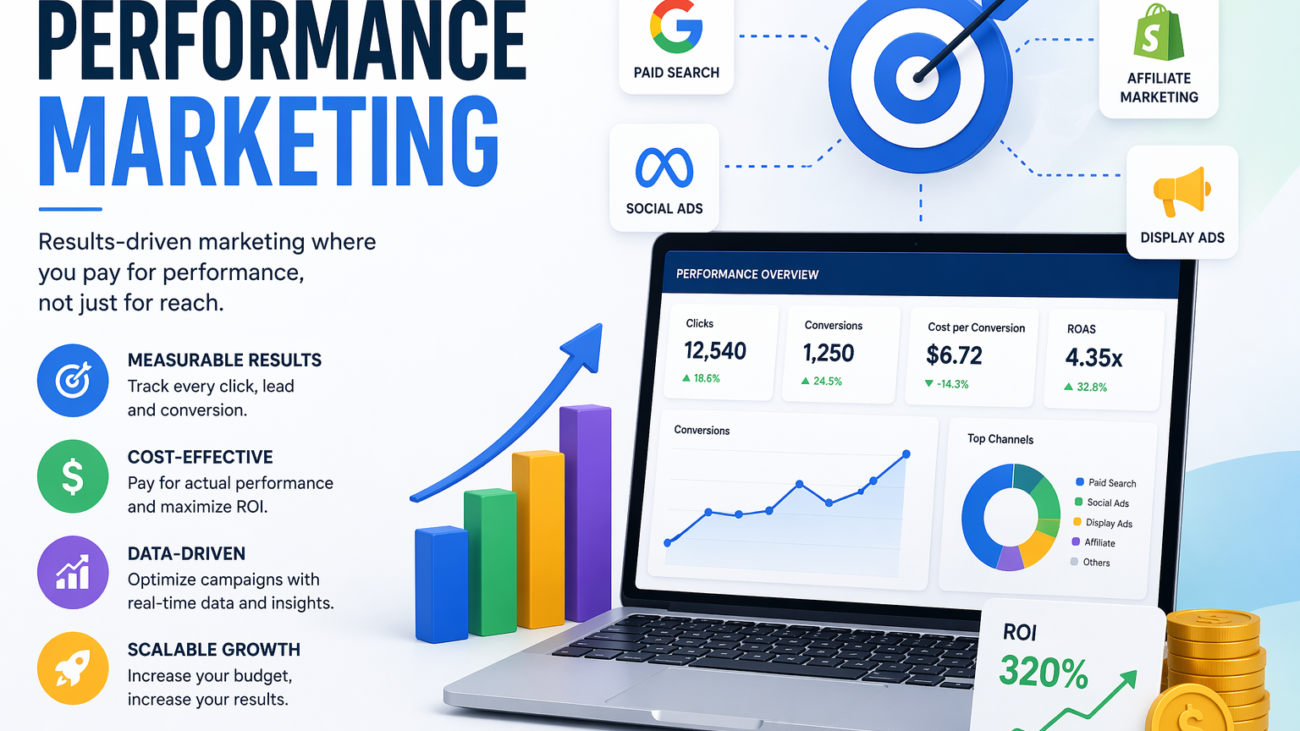
In today’s fast-paced digital world, businesses are no longer satisfied with vague metrics like “reach” or “impressions.” They want measurable results—clicks, leads, and sales. That’s where performance marketing comes in.
If you’re new to digital marketing or looking to scale your business efficiently, this beginner-friendly guide will help you understand what performance marketing is, how it works, and how to get started.
What is Performance Marketing?
Performance marketing is a digital marketing strategy where advertisers only pay when a specific action is completed. These actions can include:
- Clicks
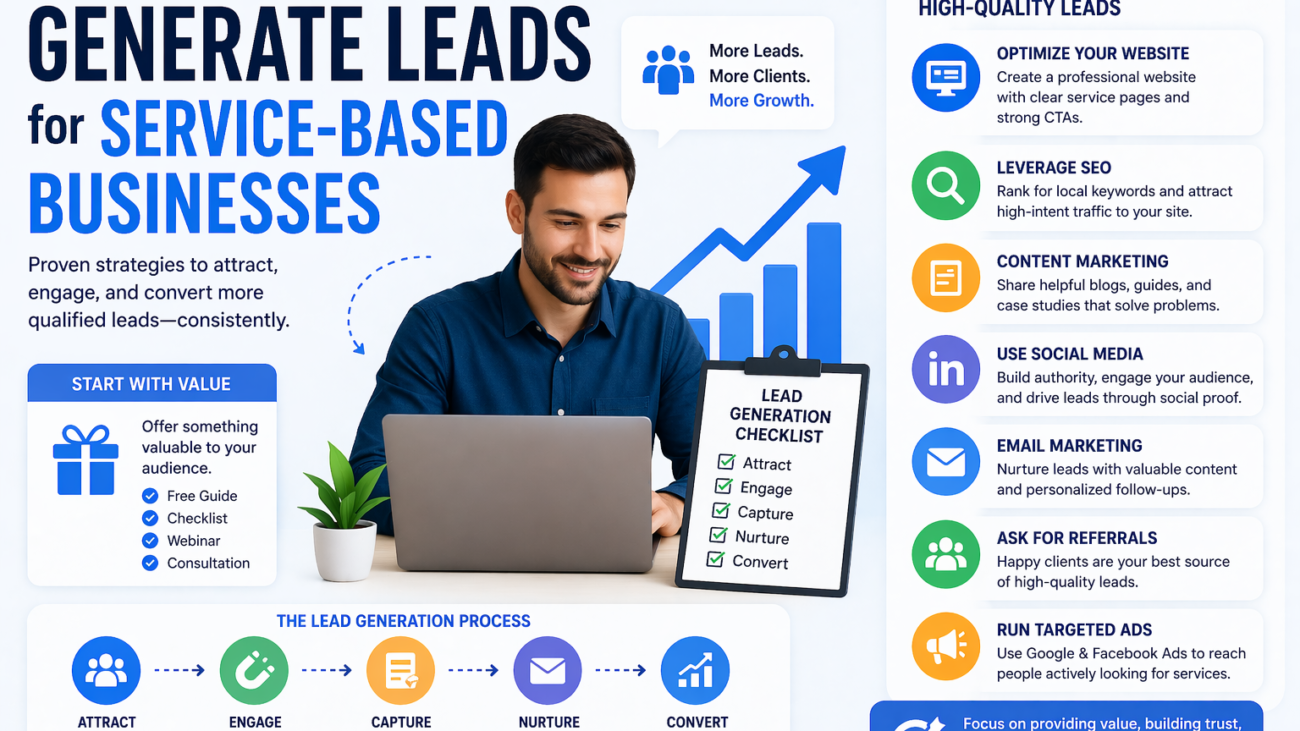
- Leads
- Sales
- App installs
Unlike traditional advertising, where you pay upfront without guaranteed results, performance marketing ensures that every rupee you spend is tied to a measurable outcome.
How Performance Marketing Works
Performance marketing involves four key players:
1. Advertisers (Businesses)
These are brands or businesses that want to promote their products or services.
2. Publishers (Platforms)
These include platforms like social media, search engines, and websites where ads are displayed.
3. Affiliate Networks / Agencies
They act as intermediaries connecting advertisers and publishers.
4. Consumers
The target audience who sees the ads and takes action.
Key Channels in Performance Marketing
1. Search Engine Marketing (SEM)
Running paid ads on search engines to appear when users search for specific keywords.
2. Social Media Advertising
Platforms like Facebook, Instagram, and LinkedIn allow targeted ads based on user behavior and demographics.
3. Affiliate Marketing
Partners promote your product and earn a commission for each sale or lead generated.
4. Display Advertising
Banner ads shown on websites to attract attention and drive traffic.
5. Native Advertising
Ads that blend naturally with content, making them less intrusive and more engaging.
Important Metrics You Should Know
To succeed in performance marketing, you need to track the right metrics:
- CPC (Cost Per Click): Amount paid per click
- CPA (Cost Per Acquisition): Cost to acquire one customer
- CTR (Click-Through Rate): Percentage of users who click your ad
- ROAS (Return on Ad Spend): Revenue generated for every rupee spent
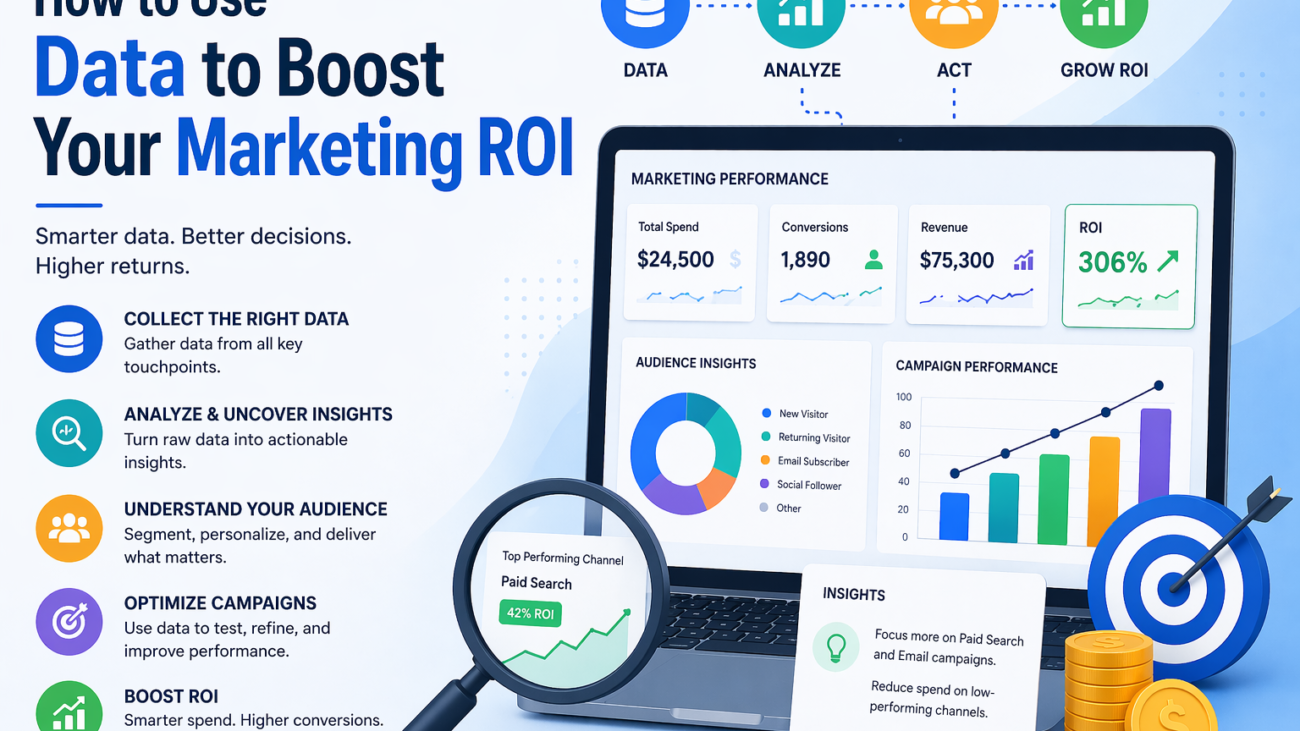
These metrics help you understand what’s working and where to optimize.
Benefits of Performance Marketing
✔ Measurable Results
Every action is tracked, making it easy to measure success.
✔ Cost Efficiency
You only pay for actual results, reducing wasted budget.
✔ Better Targeting
Advanced targeting ensures your ads reach the right audience.
✔ Scalability
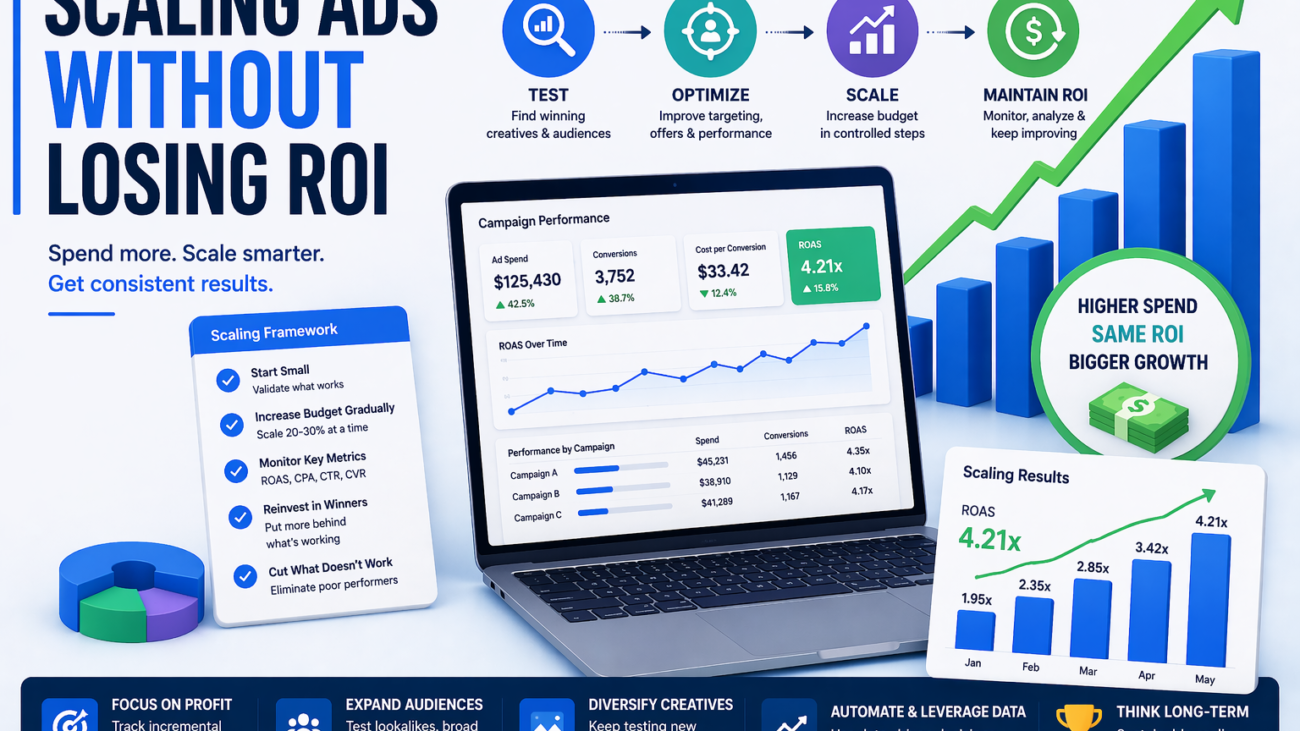
Once you find a winning strategy, you can scale it quickly.
Steps to Get Started with Performance Marketing
Step 1: Define Your Goals
Decide what you want—more traffic, leads, or sales.
Step 2: Choose the Right Platform
Start with one or two platforms like Google Ads or Facebook Ads.
Step 3: Set a Budget
Begin with a small budget and scale based on performance.
Step 4: Create High-Converting Ads
Focus on compelling copy, attractive visuals, and clear call-to-actions.
Step 5: Track & Optimize
Use analytics tools to monitor performance and improve campaigns regularly.
Common Mistakes to Avoid
- Not defining clear goals
- Ignoring data and analytics
- Targeting the wrong audience
- Poor ad creatives
- Not optimizing campaigns regularly
Avoiding these mistakes can save you time and money.
Final Thoughts
Performance marketing is one of the most powerful ways to grow your business online. It allows you to invest wisely, track results accurately, and scale confidently.
Whether you’re a small business owner or a marketing beginner, mastering performance marketing can give you a competitive edge in 2026 and beyond.
Start small, stay consistent, and let data guide your decisions.