Importance of Local SEO for Local Businesses

In today’s digital-first world, customers no longer depend only on newspaper ads, banners, or word-of-mouth recommendations to find local businesses. Most people now search online before visiting a store, restaurant, clinic, salon, or service provider. This is where Local SEO becomes one of the most powerful marketing strategies for small and local businesses.

If your business is not appearing on Google when people search for services near them, you are losing potential customers every single day. Local SEO helps businesses improve their online visibility, attract nearby customers, and increase sales organically.

What is Local SEO?

Local SEO (Search Engine Optimization) is the process of optimizing your online presence to appear in local search results on search engines like Google.

For example, when someone searches:

  • “Best restaurant near me”

  • “Digital marketing institute in Bhopal”

  • “Salon in MP Nagar”

  • “Best dentist nearby”

Google shows businesses based on location relevance, reviews, website quality, and optimization. Local SEO helps your business rank in these results.

Why Local SEO is Important for Local Businesses

1. Increases Online Visibility

Most customers search online before making a purchase decision. If your business appears in Google search results, Google Maps, and local listings, people can easily find you.

Without Local SEO, even a good business may remain invisible online.

Businesses with optimized local profiles often appear in:

  • Google Maps

  • Local Pack Results

  • Organic Search Results

  • “Near Me” Searches

This visibility directly increases traffic and leads.

2. Attracts High-Intent Customers

Local SEO targets customers who are actively searching for your products or services.

For example:

  • Someone searching “best coffee shop near me” is ready to visit immediately.

  • Someone searching “plumber in Bhopal” likely needs urgent service.

These are high-conversion searches because users already have buying intent.

Unlike traditional advertising, Local SEO brings customers who are already interested.

3. Helps Small Businesses Compete with Big Brands

One of the biggest advantages of Local SEO is that small businesses can compete with larger companies in their local area.

Even if a national brand has a bigger budget, a properly optimized local business can rank higher in nearby searches by:

  • Optimizing Google Business Profile

  • Getting positive reviews

  • Using local keywords

  • Creating location-based content

This creates equal growth opportunities for local entrepreneurs.

4. Boosts Google Maps Ranking

Google Maps has become one of the most important platforms for local discovery.

When customers search for nearby services, Google often displays a map with top business listings. Businesses appearing here receive:

  • More calls

  • More direction requests

  • More website visits

  • More walk-in customers

Optimizing your Google Business Profile is a major part of Local SEO strategy.

5. Builds Trust and Credibility

Customers trust businesses that appear on the first page of Google.

Positive reviews, updated business information, quality images, and high ratings create trust instantly.

A business with:

  • 4.5+ ratings

  • Genuine customer reviews

  • Updated photos

  • Active responses

will always attract more customers compared to businesses with poor online presence.

Local SEO helps establish authority and credibility in your market.

6. Improves Mobile Search Reach

Most local searches happen on smartphones.

People often search while traveling or when they need immediate services. Examples include:

  • “Restaurant near me”

  • “Medical store open now”

  • “Gym nearby”

Local SEO helps businesses rank for these mobile searches and capture real-time customers.

A mobile-optimized website combined with strong local SEO can significantly increase conversions.

7. Increases Website Traffic and Leads

Higher search rankings bring more visitors to your website.

When your website is optimized with local keywords, customers searching in your area can easily discover your business.

Examples of local keywords:

  • Best café in Bhopal

  • SEO agency in Madhya Pradesh

  • Wedding photographer in Indore

These targeted keywords attract relevant traffic that converts better.

8. Cost-Effective Marketing Strategy

Compared to paid advertising, Local SEO is more affordable and provides long-term results.

Paid ads stop generating traffic once the budget ends, but Local SEO continues bringing organic visitors for months or years with proper optimization.

This makes Local SEO one of the highest ROI marketing strategies for local businesses.

9. Enhances Customer Engagement

Local SEO encourages interaction through:

  • Reviews

  • Q&A sections

  • Website visits

  • Calls

  • Messages

  • Social media engagement

When businesses actively respond to reviews and update profiles regularly, customer engagement improves significantly.

This also helps improve local rankings on Google.

10. Supports Long-Term Business Growth

A strong local online presence creates sustainable growth.

As your business gains:

  • More reviews

  • Better rankings

  • Increased visibility

  • Stronger authority

your customer base continues growing consistently.

Local SEO is not just a short-term marketing tactic; it is a long-term investment in business growth.

Key Elements of Local SEO

Google Business Profile Optimization

A fully optimized Google Business Profile includes:

  • Correct business name

  • Address

  • Phone number

  • Business hours

  • Website link

  • Services

  • Photos

  • Customer reviews

This is the foundation of Local SEO.

Local Keyword Optimization

Use location-based keywords naturally throughout your:

  • Website pages

  • Blogs

  • Meta titles

  • Meta descriptions

  • Headings

Example:
“Best Digital Marketing Institute in Bhopal”

Customer Reviews

Positive reviews improve both rankings and customer trust.

Encourage satisfied customers to leave reviews regularly.

Mobile-Friendly Website

Your website should:

  • Load fast

  • Work smoothly on mobile devices

  • Have easy navigation

  • Include click-to-call buttons

Local Content Marketing

Creating blogs related to local topics helps improve rankings.

Examples:

  • Best cafés in Bhopal

  • Top wedding venues in Indore

  • Importance of SEO for local businesses

Common Mistakes Businesses Make in Local SEO

Many businesses fail to get results because they:

  • Ignore Google Business Profile optimization

  • Use incorrect contact information

  • Have slow websites

  • Ignore customer reviews

  • Use duplicate content

  • Avoid local keyword targeting

Fixing these issues can dramatically improve visibility.

Future of Local SEO

Local SEO is becoming even more important as customers increasingly rely on Google for daily decisions.

Voice search, AI-based recommendations, and mobile searches are rapidly growing.

Searches like:

  • “Best pizza near me”

  • “Nearest gym open now”

  • “Top digital marketing course nearby”

will continue increasing in the future.

Businesses investing in Local SEO today will gain a strong competitive advantage tomorrow.

Conclusion

Local SEO is no longer optional for local businesses. It is essential for visibility, customer acquisition, credibility, and long-term growth.

Whether you run a restaurant, salon, coaching institute, clinic, café, or service business, Local SEO helps customers discover your business exactly when they need it.

A properly optimized local presence can increase:

  • Website traffic

  • Walk-in customers

  • Leads

  • Phone calls

  • Revenue

Businesses that ignore Local SEO risk losing customers to competitors who are more visible online.
CONTENT WRITING

Gemini Generated Image a3xvnia3xvnia3xv

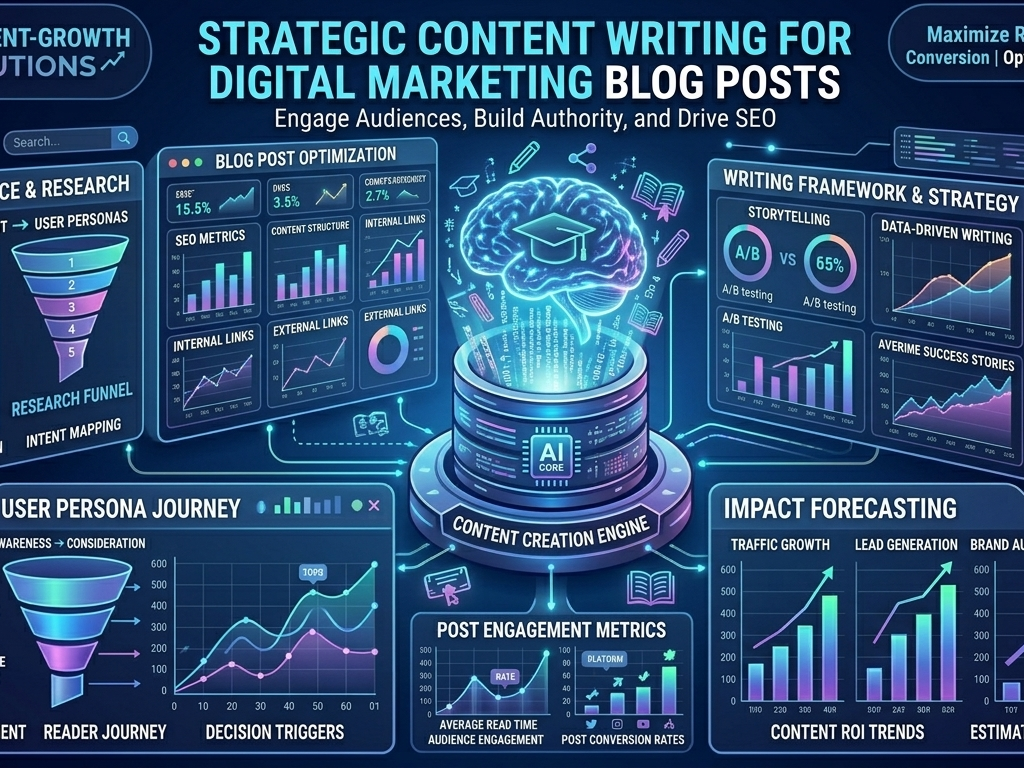
Content guides individuals through the conversion process, sparking their interest in your company. Irrelevant content, however, causes visitors to leave your website and abandon your sales funnel.

As a leading content writing company in Bhopal, we create valuable and engaging content that takes your readers on a journey—from initial brand awareness to seriously considering your solution. Our Bhopal-based content development team specializes in crafting high-quality content that is engaging, shareable, and drives sales.

By leveraging our expert content writing services in Bhopal, your business can build thought leadership and establish itself as an industry authority. Quality content lays the foundation for your credibility and transforms visitors into loyal customers.

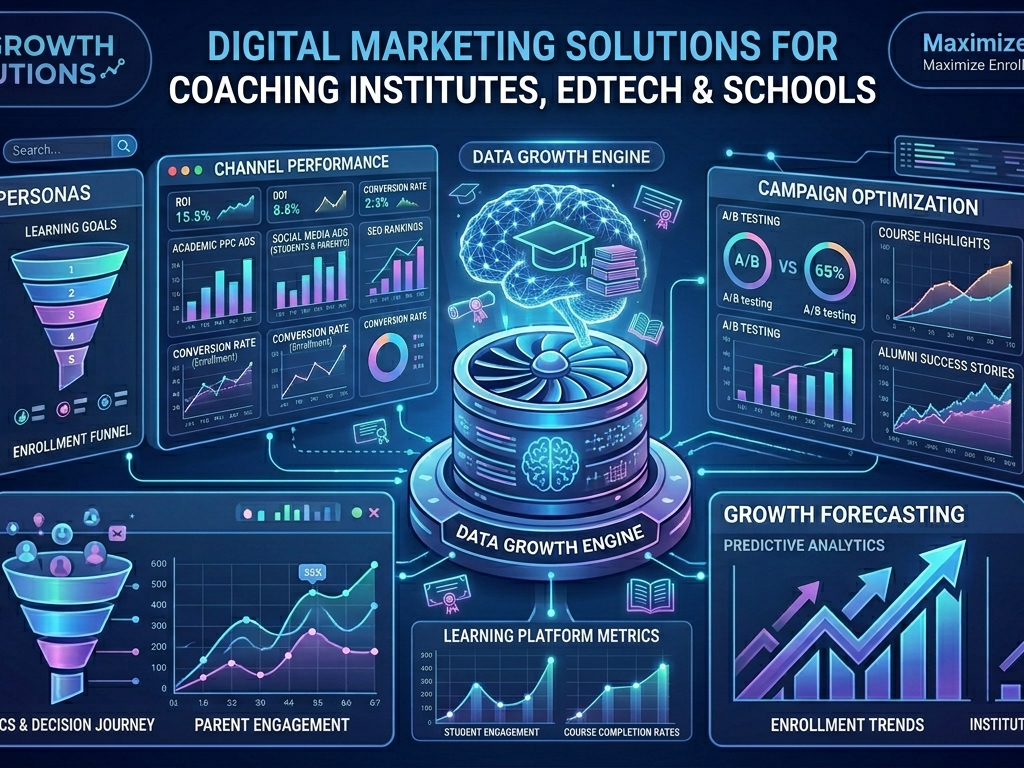
Digital Marketing Solutions for Coaching Institutes, EdTech & Schools

Gemini Generated Image fn6em7fn6em7fn6e

SAIFEE DIGITAL  offers targeted Google Ads for coaching institutes, edtech platforms, and schools to generate high-quality student admission leads. We specialize in lead generation for education with geo-targeted ads, optimized landing pages, and real-time tracking. Our campaigns focus on getting online leads for educational institutes and increasing enrollments through smart, ROI-driven strategies.

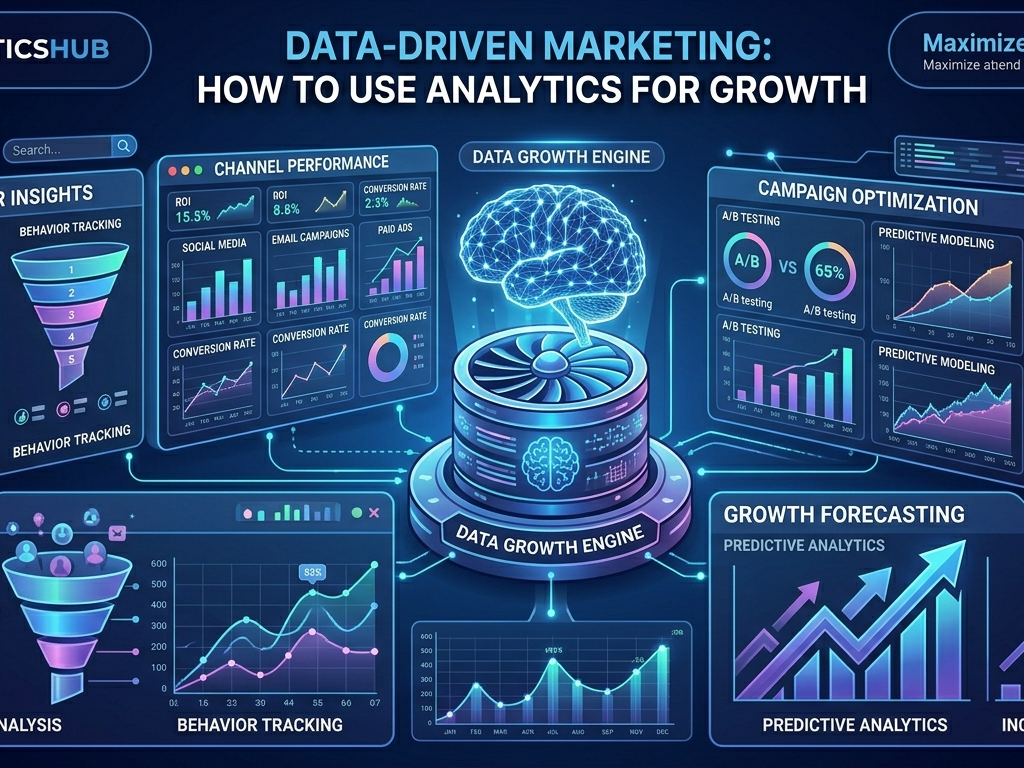
Data-Driven Marketing: How to Use Analytics for Growth

Gemini Generated Image 6sjd6x6sjd6x6sjd

Every business owner has made a marketing decision based on a gut feeling. Sometimes it works. More often, it doesn’t — and the budget spent finding that out is gone for good. Data-driven marketing changes that equation. It replaces guesswork with evidence, and intuition with insight. The result is a marketing engine that doesn’t just spend money — it learns, adapts, and grows.

Here’s how to put analytics to work for your business.


What “Data-Driven Marketing” Actually Means

Data-driven marketing is the practice of using real customer data — behavior, preferences, demographics, purchase history — to guide every marketing decision, from which channels to invest in to what message to put in a subject line.

It doesn’t require a data science team or enterprise software. What it requires is clarity: knowing which numbers matter for your specific goals, and building habits around checking them regularly.


The Metrics That Matter Most

Not all data is useful data. Before you drown in dashboards, identify the metrics directly tied to growth:

Customer Acquisition Cost (CAC) — How much does it cost to acquire one new customer? If you spent $5,000 on ads last month and gained 50 customers, your CAC is $100. Knowing this tells you which channels are efficient and which are draining your budget.

Customer Lifetime Value (CLV) — How much revenue does a typical customer generate over their relationship with your business? When CLV significantly exceeds CAC, you have a healthy, scalable model. When they’re close — or inverted — something needs to change.

Conversion Rate — What percentage of visitors, leads, or prospects actually take the action you want? Low conversion rates often reveal friction in your funnel, not a shortage of traffic.

Return on Ad Spend (ROAS) — For every dollar spent on advertising, how many dollars in revenue come back? ROAS cuts through vanity metrics and tells you whether paid marketing is actually working.

Start with these four. Master them before adding more complexity.


Turning Data Into Decisions: A Practical Framework

Collecting data is the easy part. Turning it into better decisions is where most businesses stall. Here’s a simple framework:

1. Set a clear objective first. Analytics without a goal is noise. Before you look at any report, define what you’re trying to improve — more website leads, higher email open rates, better retention in the first 90 days. Your objective determines which data is relevant.

2. Establish a baseline. You can’t measure improvement without knowing where you started. Capture your current numbers before launching any campaign or making any change.

3. Run one change at a time. A/B testing — showing two versions of an ad, email, or landing page to different audience segments — is one of the most powerful tools in your arsenal. But it only works if you change one variable at a time. Test different headlines, not a different headline and a different image simultaneously.

4. Set a review cadence and stick to it. Weekly reviews for active campaigns, monthly reviews for broader channel strategy. Build it into your schedule. Data that isn’t reviewed regularly is data that isn’t doing anything for you.

5. Act on what you find. This sounds obvious, but it’s where many businesses falter. If the data shows that LinkedIn is generating leads at half the cost of Facebook, shift budget accordingly. Let the numbers overrule the preference.

GEO (Generative Engine Optimization) vs. SEO

Gemini Generated Image zdhbogzdhbogzdhb

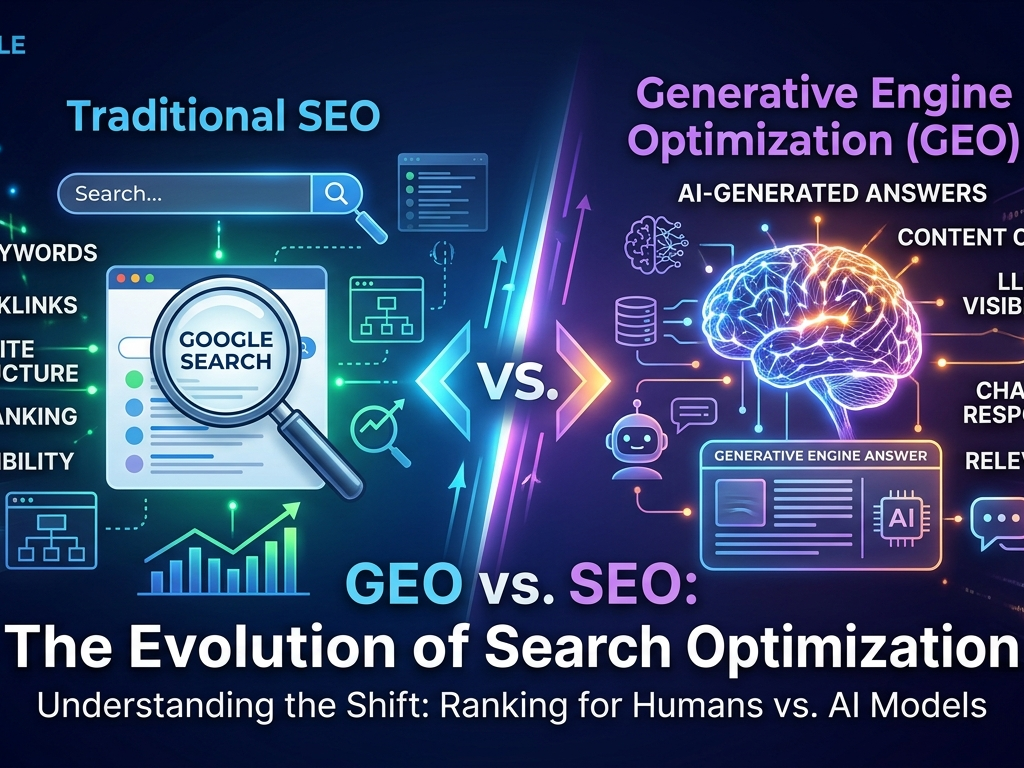
GEO (Generative Engine Optimization) vs. SEO: The Future of Search in Digital Marketing

The world of digital marketing is evolving faster than ever. For years, Search Engine Optimization (SEO) has been the backbone of online visibility. But now, a new concept is gaining attention — Generative Engine Optimization (GEO).

If you’re running a business or managing a digital marketing strategy, understanding the difference between GEO and SEO is crucial. In this blog, we’ll break down both concepts in a simple and practical way so you can stay ahead of the competition.


What is SEO (Search Engine Optimization)?

SEO is the process of optimizing your website to rank higher on search engines like Google, Bing, and Yahoo. The goal is simple:
👉 Get more organic traffic to your website.

Key Elements of SEO:

  • Keyword research (e.g., “digital marketing in Bhopal”)
  • On-page optimization (titles, meta descriptions, headings)
  • Technical SEO (website speed, mobile-friendliness)
  • Content creation (blogs, landing pages)
  • Backlinks (links from other websites)

How SEO Works:

When a user types a query like “best digital marketing agency”, search engines scan millions of pages and show the most relevant results based on algorithms.

👉 SEO helps your website rank on search result pages (SERPs).


What is GEO (Generative Engine Optimization)?

GEO is a newer concept focused on optimizing your content for AI-powered search engines and generative platforms like ChatGPT, Google SGE (Search Generative Experience), and other AI assistants.

👉 Instead of just ranking on search pages, GEO helps your content get featured in AI-generated answers.

Key Focus of GEO:

  • Answer-based content
  • Context-rich information
  • Conversational tone
  • Authority and trust signals
  • Structured and clear formatting

How GEO Works:

When a user asks an AI tool:
👉 “What is the best digital marketing strategy for small businesses?”

The AI doesn’t just show links—it generates a direct answer using multiple sources.

👉 GEO ensures your content becomes part of that generated answer.

hy GEO is Becoming Important in 2026

Search behavior is changing rapidly. Users no longer want to browse multiple websites—they want instant answers.

Trends Driving GEO:

  • Rise of AI assistants
  • Voice search growth
  • Zero-click searches
  • Personalized results

👉 This means fewer people are clicking links and more people are relying on AI-generated responses.


SEO is Not Dead — It’s Evolving

Let’s be clear:
👉 SEO is still very important.

But now, it’s not enough on its own.


Benefits of GEO for Your Business

  • Higher brand visibility
  • Better authority in your niche
  • More qualified leads
  • Future-proof marketing strategy

Final Thoughts

The digital marketing landscape is shifting from search engines to answer engines.

  • SEO helps people find you
  • GEO helps AI recommend you

👉 Businesses that adapt early will have a huge advantage.


Conclusion

GEO vs. SEO is not a battle—it’s a combination.

To succeed in 2026 and beyond:
👉 Use SEO to rank
👉 Use GEO to dominate AI-driven search

Gemini_Generated_Image_bcmkrwbcmkrwbcmk

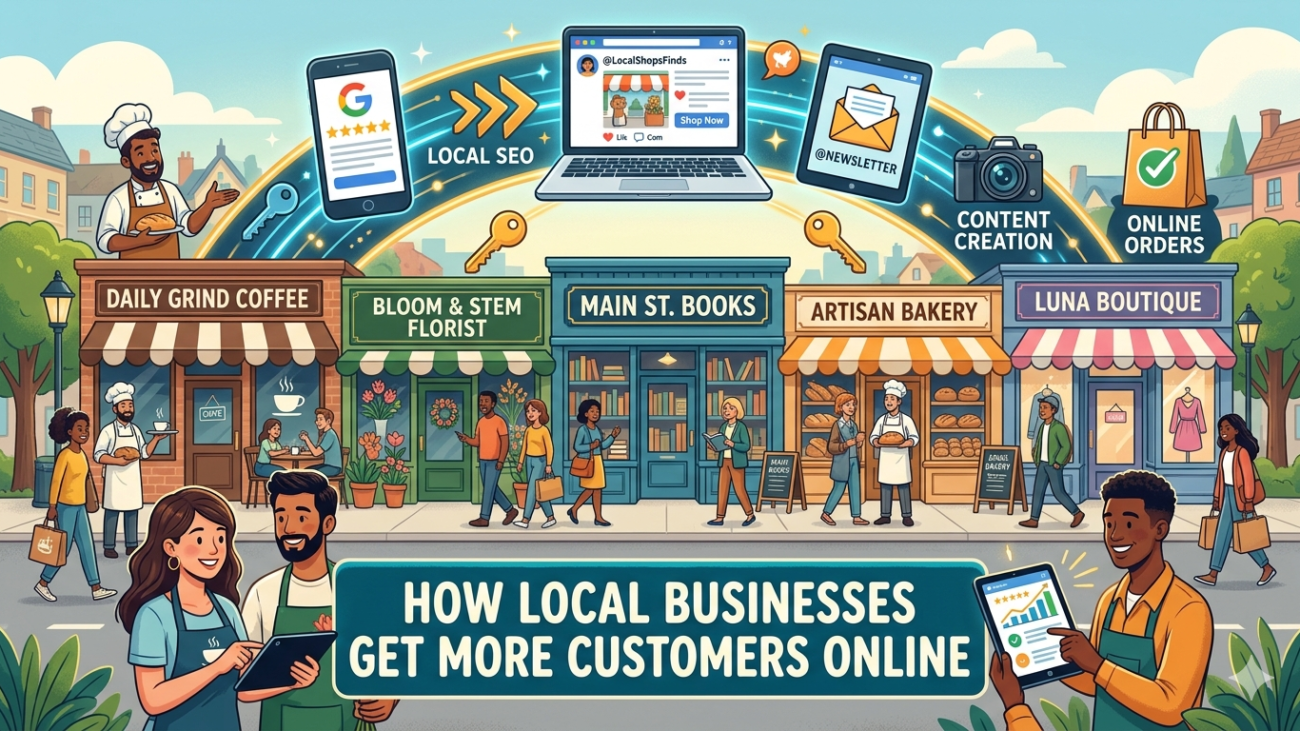
How Local Businesses Can Get More Customers Online

In today’s digital era, customers no longer rely only on word-of-mouth—they search online before making any decision. Whether it’s finding a nearby service, comparing options, or reading reviews, your online presence plays a huge role in attracting customers.

If you’re a local business owner, the good news is: you don’t need a huge budget to grow online—you just need the right strategy.

At Saifee Digital, we help local businesses turn online visibility into real customers. Here’s how you can do the same.


📍 1. Optimize Your Google Business Profile

Your Google Business Profile (formerly Google My Business) is the most powerful tool for local visibility.

Make sure you:

  • Add accurate business name, address, and phone number
  • Upload high-quality images
  • Choose the right business category
  • Update working hours regularly
  • Post updates and offers

👉 A well-optimized profile helps you appear in local search results and Google Maps.


⭐ 2. Collect and Manage Customer Reviews

Reviews build trust—and trust brings customers.

  • Ask satisfied customers to leave reviews
  • Respond to all reviews (positive and negative)
  • Maintain a high rating

Pro Tip: Businesses with more positive reviews rank higher and get more clicks.


🔍 3. Focus on Local SEO

Local SEO helps your business show up when people search for services “near me.”

Key steps:

  • Use location-based keywords (e.g., “best salon in [city]”)
  • Optimize your website content
  • Add your business to local directories
  • Create location-specific landing pages

👉 This ensures your business appears when customers are actively searching.


📱 4. Leverage Social Media Marketing

Social media is a powerful way to connect with your local audience.

You can:

  • Share daily updates and offers
  • Post reels and short videos
  • Showcase your work or products
  • Engage with local customers

Platforms like Instagram and Facebook work best for local businesses.


🎯 5. Run Targeted Ads

Paid advertising can give you quick results.

  • Run Google Ads for local searches
  • Use Facebook/Instagram ads with location targeting
  • Promote special offers and discounts

👉 Even a small budget can bring high-quality local leads if targeted correctly.


🎥 6. Create Engaging Local Content

Content helps you attract and educate your audience.

Ideas include:

  • Behind-the-scenes videos
  • Customer testimonials
  • “Day in the life” content
  • Local trends or tips

This builds trust and keeps your audience engaged.


💬 7. Use WhatsApp & Direct Communication

In 2026, customers prefer quick and direct communication.

  • Add a WhatsApp chat button to your website
  • Respond quickly to inquiries
  • Share offers and updates via broadcast

👉 Faster responses = higher chances of conversion.


🌐 8. Build a Professional Website

Your website is your digital shop.

Make sure it:

  • Loads fast and is mobile-friendly
  • Clearly shows your services
  • Includes contact details and location
  • Has strong call-to-actions (Call Now, Book Now, etc.)

A good website increases credibility and conversions.


🤝 9. Collaborate with Local Influencers

Partnering with local influencers can boost your visibility.

  • Promote your services through local creators
  • Offer free trials or discounts in exchange for promotion

👉 This helps you reach a targeted local audience quickly.


📊 10. Track & Improve Your Results

Don’t just market—measure your performance.

Track:

  • Website traffic
  • Leads and inquiries
  • Social media engagement
  • Ad performance

Use this data to improve your strategy and get better results over time.


⚠️ Common Mistakes to Avoid


  • Ignoring online presence
  • Inconsistent posting
  • Not responding to customers
  • Poor-quality content
  • Targeting the wrong audience
ChatGPT Image Apr 15, 2026, 12_03_23 PM

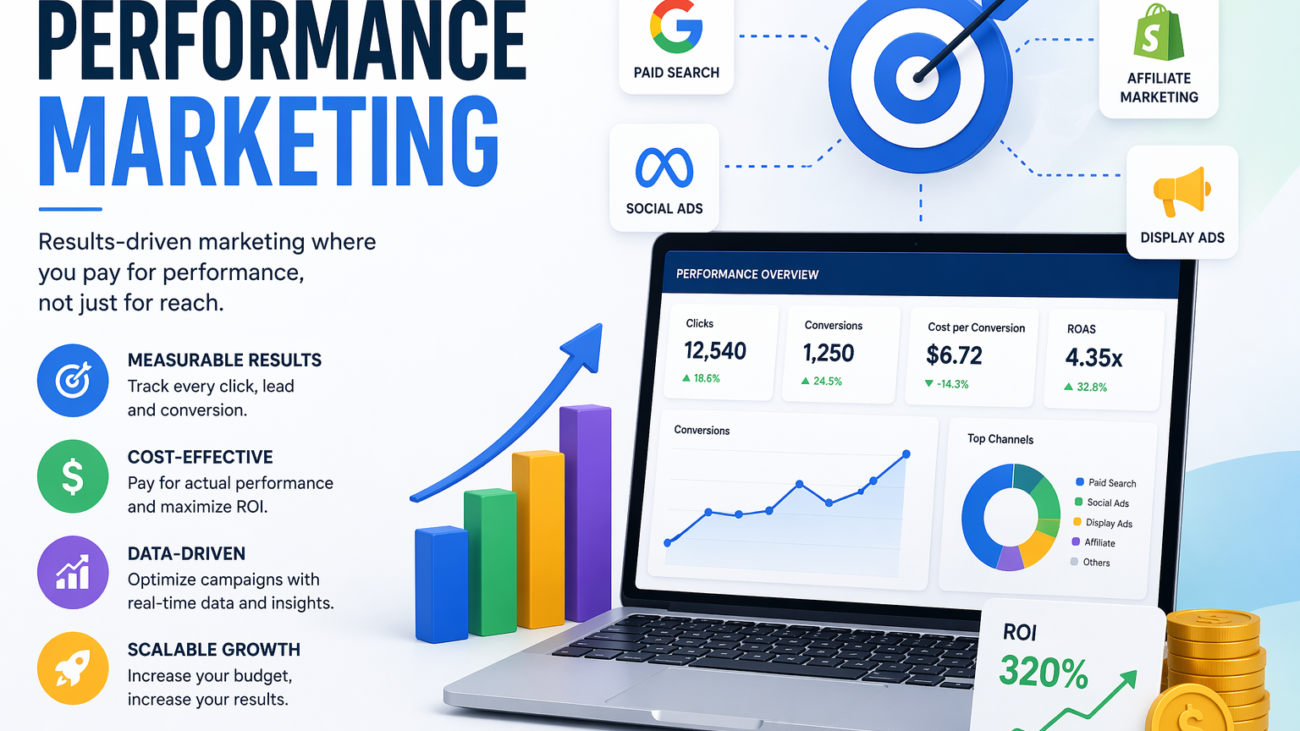
Beginner’s Guide to Performance Marketing

In today’s fast-paced digital world, businesses are no longer satisfied with vague metrics like “reach” or “impressions.” They want measurable results—clicks, leads, and sales. That’s where performance marketing comes in.

If you’re new to digital marketing or looking to scale your business efficiently, this beginner-friendly guide will help you understand what performance marketing is, how it works, and how to get started.


What is Performance Marketing?

Performance marketing is a digital marketing strategy where advertisers only pay when a specific action is completed. These actions can include:

  • Clicks
  • Leads
  • Sales
  • App installs

Unlike traditional advertising, where you pay upfront without guaranteed results, performance marketing ensures that every rupee you spend is tied to a measurable outcome.


How Performance Marketing Works

Performance marketing involves four key players:

1. Advertisers (Businesses)

These are brands or businesses that want to promote their products or services.

2. Publishers (Platforms)

These include platforms like social media, search engines, and websites where ads are displayed.

3. Affiliate Networks / Agencies

They act as intermediaries connecting advertisers and publishers.

4. Consumers

The target audience who sees the ads and takes action.


Key Channels in Performance Marketing

1. Search Engine Marketing (SEM)

Running paid ads on search engines to appear when users search for specific keywords.

2. Social Media Advertising

Platforms like Facebook, Instagram, and LinkedIn allow targeted ads based on user behavior and demographics.

3. Affiliate Marketing

Partners promote your product and earn a commission for each sale or lead generated.

4. Display Advertising

Banner ads shown on websites to attract attention and drive traffic.

5. Native Advertising

Ads that blend naturally with content, making them less intrusive and more engaging.


Important Metrics You Should Know

To succeed in performance marketing, you need to track the right metrics:

  • CPC (Cost Per Click): Amount paid per click
  • CPA (Cost Per Acquisition): Cost to acquire one customer
  • CTR (Click-Through Rate): Percentage of users who click your ad
  • ROAS (Return on Ad Spend): Revenue generated for every rupee spent

These metrics help you understand what’s working and where to optimize.


Benefits of Performance Marketing

✔ Measurable Results

Every action is tracked, making it easy to measure success.

✔ Cost Efficiency

You only pay for actual results, reducing wasted budget.

✔ Better Targeting

Advanced targeting ensures your ads reach the right audience.

✔ Scalability

Once you find a winning strategy, you can scale it quickly.


Steps to Get Started with Performance Marketing

Step 1: Define Your Goals

Decide what you want—more traffic, leads, or sales.

Step 2: Choose the Right Platform

Start with one or two platforms like Google Ads or Facebook Ads.

Step 3: Set a Budget

Begin with a small budget and scale based on performance.

Step 4: Create High-Converting Ads

Focus on compelling copy, attractive visuals, and clear call-to-actions.

Step 5: Track & Optimize

Use analytics tools to monitor performance and improve campaigns regularly.


Common Mistakes to Avoid

  • Not defining clear goals
  • Ignoring data and analytics
  • Targeting the wrong audience
  • Poor ad creatives
  • Not optimizing campaigns regularly

Avoiding these mistakes can save you time and money.


Final Thoughts

Performance marketing is one of the most powerful ways to grow your business online. It allows you to invest wisely, track results accurately, and scale confidently.

Whether you’re a small business owner or a marketing beginner, mastering performance marketing can give you a competitive edge in 2026 and beyond.

Start small, stay consistent, and let data guide your decisions.

ChatGPT Image Apr 15, 2026, 12_06_34 PM

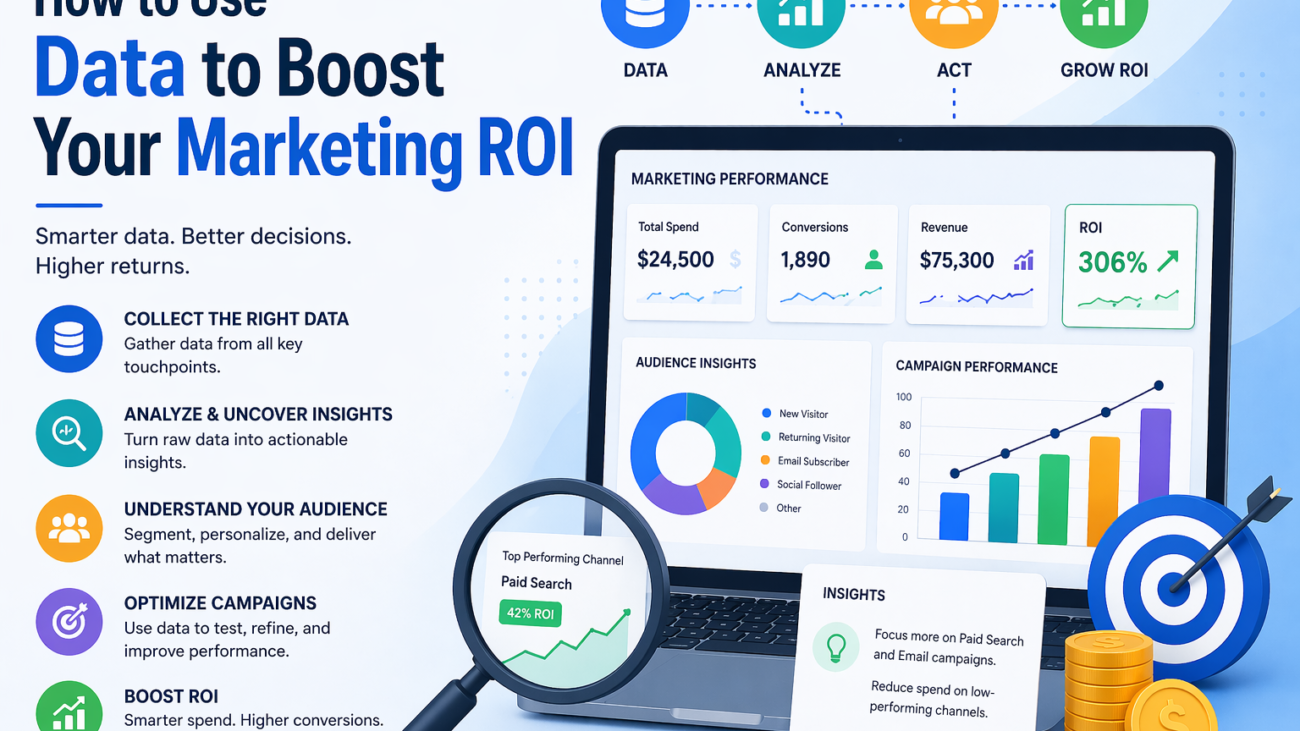
“How to Use Data to Boost Your Marketing ROI”

In today’s digital-first world, marketing without data is like driving blindfolded. If you want better results, higher conversions, and smarter spending, data must be at the core of your strategy.

In this blog, we’ll show you how to use data effectively to boost your Marketing ROI (Return on Investment) and make every rupee count.


Why Data-Driven Marketing Matters

Data helps you understand:

  • Who your customers are
  • What they want
  • How they interact with your brand
  • Which campaigns are actually working

Instead of guessing, you make decisions based on real insights—leading to better performance and higher profitability.


1. Track the Right Metrics

Not all data is useful. Focus on metrics that directly impact your ROI.

Key metrics to track:

  • Cost Per Click (CPC)
  • Cost Per Acquisition (CPA)
  • Conversion Rate
  • Customer Lifetime Value (CLV)
  • Return on Ad Spend (ROAS)

Tracking these helps you identify where you’re making money—and where you’re losing it.


2. Understand Your Audience Deeply

Data allows you to go beyond basic demographics and understand behavior.

Use data to analyze:

  • Customer interests and preferences
  • Buying patterns
  • Device usage (mobile vs desktop)
  • Time of engagement

This helps you create highly targeted campaigns that convert better.


3. Use A/B Testing for Continuous Improvement

Never assume—always test.

Test elements like:

  • Ad creatives (images/videos)
  • Headlines and copy
  • Landing pages
  • Call-to-actions (CTAs)

Even small improvements can significantly increase your ROI over time.


4. Optimize Your Marketing Channels

Not every platform works equally for every business.

Use data to:

  • Identify top-performing channels
  • Eliminate underperforming ones
  • Reallocate budget to high-ROI campaigns

For example, if Instagram ads give better conversions than search ads, shift more budget there.


5. Leverage Customer Segmentation

Segment your audience based on behavior and preferences.

Common segments:

  • New vs returning customers
  • High-value customers
  • Cart abandoners
  • Frequent buyers

Personalized marketing based on segmentation leads to higher engagement and better ROI.


6. Improve Your Conversion Funnel

Data helps you identify where users drop off in your funnel.

Analyze:

  • Landing page performance
  • Checkout process
  • Form completion rates

Fixing bottlenecks in your funnel can instantly improve conversions without increasing ad spend.


7. Use Retargeting Effectively

Most users don’t convert on the first visit.

Use data to retarget:

  • Website visitors
  • Cart abandoners
  • Video viewers

Retargeting campaigns are often cheaper and deliver higher ROI because you’re targeting warm audiences.


8. Automate with Smart Tools

Marketing automation tools help you scale your efforts while staying data-driven.

Use automation for:

  • Email campaigns
  • Lead nurturing
  • Customer follow-ups
  • Behavior-based messaging

Automation ensures you reach the right person at the right time.


9. Predict Future Trends with Data

Advanced analytics can help you forecast trends and customer behavior.

Examples:

  • Predict which products will sell more
  • Identify seasonal demand patterns
  • Plan campaigns in advance

This gives you a competitive advantage and improves long-term ROI.


10. Continuously Analyze and Optimize

Data-driven marketing is not a one-time task—it’s an ongoing process.

Always:

  • Review campaign performance
  • Identify areas for improvement
  • Optimize based on insights

The more you refine your strategy, the better your ROI becomes.


Final Thoughts

Using data in marketing is no longer optional—it’s essential for growth. Businesses that rely on data outperform those that rely on guesswork.

If you want to boost your Marketing ROI, start tracking the right metrics, understand your audience, test everything, and continuously optimize your campaigns.

At Saifee Digital, we specialize in data-driven marketing strategies that deliver real results. If you’re ready to scale your business with smarter marketing, now is the time to let data lead the way.


ChatGPT Image Apr 15, 2026, 12_10_37 PM

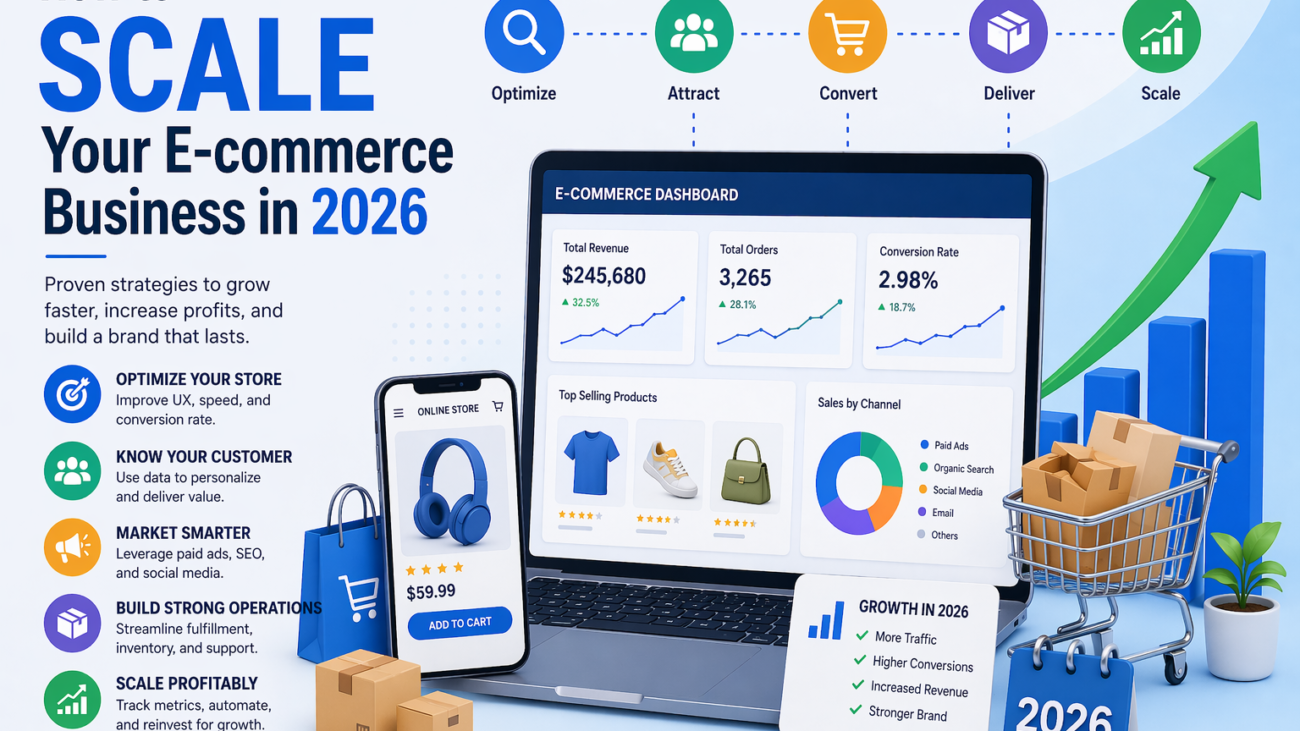
How to Scale Your E-commerce Business in 2026

E-commerce in 2026 is more competitive, fast-moving, and technology-driven than ever before. With evolving customer expectations and the rise of AI-powered tools, scaling your e-commerce business requires more than just increasing ad spend—it demands smart strategy, automation, and a customer-first approach.

In this guide, we’ll break down the most effective strategies to help you scale your e-commerce business successfully in 2026.


1. Leverage AI and Automation

Artificial Intelligence is no longer optional—it’s essential.

What you can do:

  • Use AI tools for product recommendations to boost average order value
  • Automate customer support with chatbots
  • Implement predictive analytics for inventory and demand forecasting

Why it matters:

AI helps you make faster, data-driven decisions and reduces manual workload, allowing you to focus on growth.


2. Optimize Your Conversion Funnel

Driving traffic is important, but converting that traffic is what truly scales your business.

Key areas to optimize:

  • Website speed and mobile experience
  • Product page design (high-quality images, clear descriptions, reviews)
  • Checkout process (reduce steps, enable guest checkout)

Pro Tip:

Even a small increase in conversion rate (e.g., from 2% to 3%) can significantly boost revenue without increasing traffic.


3. Invest in Multi-Channel Marketing

Relying on a single platform is risky. In 2026, successful brands diversify their marketing channels.

Focus on:

  • Social media platforms (Instagram, YouTube Shorts, TikTok)
  • Search engine optimization (SEO)
  • Paid ads (Google Ads, Meta Ads)
  • Email and SMS marketing

Why it works:

Multi-channel marketing helps you reach customers at different stages of their buying journey.


4. Build a Strong Brand Identity

Customers don’t just buy products—they buy brands they trust.

How to strengthen your brand:

  • Create a consistent visual identity
  • Develop a unique brand voice
  • Share your story and values

Example:

Brands that focus on storytelling and community building tend to have higher customer loyalty and repeat purchases.


5. Focus on Customer Retention

Acquiring new customers is expensive—retaining existing ones is more profitable.

Strategies:

  • Launch loyalty and rewards programs
  • Offer personalized discounts
  • Use email marketing for re-engagement
  • Provide excellent customer service

Key Insight:

Increasing customer retention by just 5% can significantly increase profits.


6. Scale Paid Advertising Strategically

Ads are still powerful—but scaling them requires smart budgeting and testing.

Best practices:

  • Start with small budgets and test creatives
  • Analyze performance metrics (CTR, ROAS, CPA)
  • Scale winning campaigns gradually
  • Retarget website visitors and abandoned carts

7. Expand Your Product Line

Growth often comes from offering more value to your customers.

Ideas:

  • Introduce complementary products
  • Launch premium or budget versions
  • Bundle products to increase average order value

8. Strengthen Logistics and Fulfillment

As your orders grow, your backend operations must keep up.

Focus on:

  • Faster shipping options
  • Reliable logistics partners
  • Efficient inventory management
  • Easy returns and refunds

Why it matters:

Poor delivery experience can damage your brand and reduce repeat purchases.


9. Go Global (Cross-Border Selling)

2026 is the era of global e-commerce.

Steps to expand internationally:

  • Identify high-demand markets
  • Localize your website (language, currency)
  • Understand shipping and tax regulations

Benefit:

Access to a larger customer base and increased revenue potential.


10. Use Data to Drive Every Decision

Scaling without data is like driving blind.

Track:

  • Customer acquisition cost (CAC)
  • Lifetime value (LTV)
  • Conversion rate
  • Traffic sources

Tools:

Use analytics platforms to monitor and optimize performance continuously.


Final Thoughts

Scaling your e-commerce business in 2026 isn’t about working harder—it’s about working smarter. By combining AI, data-driven strategies, strong branding, and customer-focused marketing, you can build a scalable and sustainable business.

Remember: Growth is not just about getting more customers, but about creating better experiences that keep them coming back.


Ready to scale your e-commerce business?
Start implementing these strategies today and stay ahead of the competition in 2026.

ChatGPT Image Apr 15, 2026, 12_15_42 PM

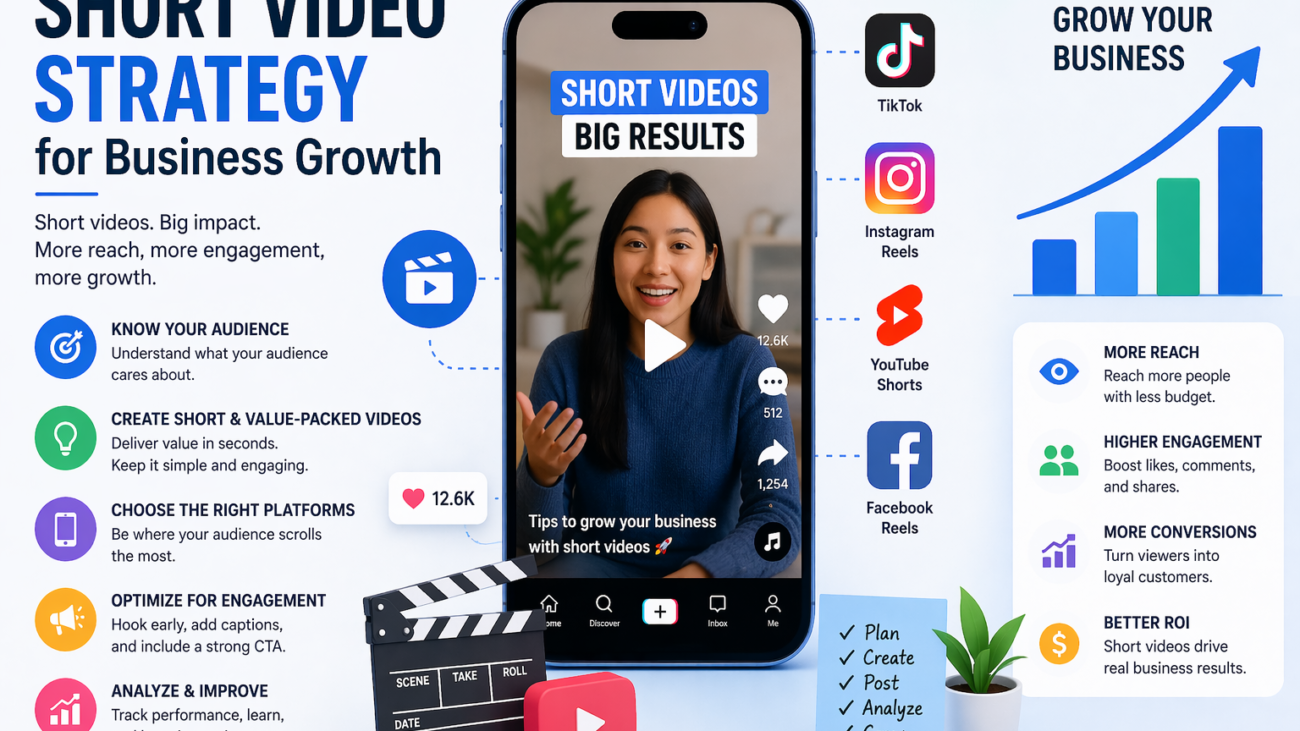
Short Video Strategy for Business Growth

 In today’s digital-first world, marketing without data is like driving blindfolded. If you want better results, higher conversions, and smarter spending, data must be at the core of your strategy.

In this blog, we’ll show you how to use data effectively to boost your Marketing ROI (Return on Investment) and make every rupee count.

Why Data-Driven Marketing Matters

Data helps you understand:

Who your customers are
What they want
How they interact with your brand
Which campaigns are actually working

Instead of guessing, you make decisions based on real insights—leading to better performance and higher profitability.

  1. Track the Right Metrics

Not all data is useful. Focus on metrics that directly impact your ROI.

Key metrics to track:

Cost Per Click (CPC)
Cost Per Acquisition (CPA)
Conversion Rate
Customer Lifetime Value (CLV)
Return on Ad Spend (ROAS)

Tracking these helps you identify where you’re making money—and where you’re losing it.

  1. Understand Your Audience Deeply

Data allows you to go beyond basic demographics and understand behavior.

Use data to analyze:

Customer interests and preferences
Buying patterns
Device usage (mobile vs desktop)
Time of engagement

This helps you create highly targeted campaigns that convert better.

  1. Use A/B Testing for Continuous Improvement

Never assume—always test.

Test elements like:

Ad creatives (images/videos)
Headlines and copy
Landing pages
Call-to-actions (CTAs)

Even small improvements can significantly increase your ROI over time.

  1. Optimize Your Marketing Channels

Not every platform works equally for every business.

Use data to:

Identify top-performing channels
Eliminate underperforming ones
Reallocate budget to high-ROI campaigns

For example, if Instagram ads give better conversions than search ads, shift more budget there.

  1. Leverage Customer Segmentation

Segment your audience based on behavior and preferences.

Common segments:

New vs returning customers
High-value customers
Cart abandoners
Frequent buyers

Personalized marketing based on segmentation leads to higher engagement and better ROI.

  1. Improve Your Conversion Funnel

Data helps you identify where users drop off in your funnel.

Analyze:

Landing page performance
Checkout process
Form completion rates

Fixing bottlenecks in your funnel can instantly improve conversions without increasing ad spend.

  1. Use Retargeting Effectively

Most users don’t convert on the first visit.

Use data to retarget:

Website visitors
Cart abandoners
Video viewers

Retargeting campaigns are often cheaper and deliver higher ROI because you’re targeting warm audiences.

  1. Automate with Smart Tools

Marketing automation tools help you scale your efforts while staying data-driven.

Use automation for:

Email campaigns
Lead nurturing
Customer follow-ups
Behavior-based messaging

Automation ensures you reach the right person at the right time.

  1. Predict Future Trends with Data

Advanced analytics can help you forecast trends and customer behavior.

Examples:

Predict which products will sell more
Identify seasonal demand patterns
Plan campaigns in advance

This gives you a competitive advantage and improves long-term ROI.

  1. Continuously Analyze and Optimize

Data-driven marketing is not a one-time task—it’s an ongoing process.

Always:

Review campaign performance
Identify areas for improvement
Optimize based on insights

The more you refine your strategy, the better your ROI becomes.

Final Thoughts

Using data in marketing is no longer optional—it’s essential for growth. Businesses that rely on data outperform those that rely on guesswork.

If you want to boost your Marketing ROI, start tracking the right metrics, understand your audience, test everything, and continuously optimize your campaigns.

At Saifee Digital, we specialize in data-driven marketing strategies that deliver real results. If you’re ready to scale your business with smarter marketing, now is the time to let data lead the way.